
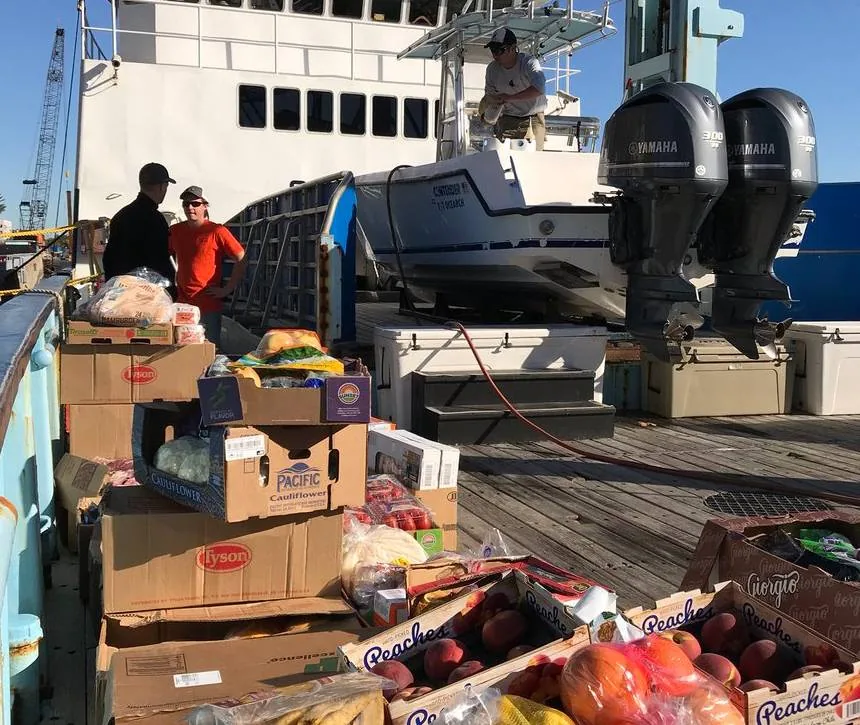
Ship chandling can involve everything from fresh provisions and bonded stores to engine spares, ropes, safety items, charts, tools and electrical supplies. The range is broad, but the best enquiries share the same characteristic: they are structured around the vessel’s real operating needs.
Start with the four essentials
Every useful request should identify the vessel, port, ETA and required delivery window. These four points immediately give the supplier the context needed to judge urgency and begin checking availability.
Make the supply list specific
For technical stores, include part numbers, dimensions, material grades, photographs or manufacturer references where relevant. For provisions, quantities, pack sizes and any dietary or brand preferences help reduce substitutions and last-minute questions.
Separate urgent from non-urgent items
If a long list contains only three items that are operationally critical, identify them. This lets the service team prioritise sourcing and communicate risk earlier.
Confirm delivery conditions
Berth, anchorage, launch requirements, gate access, receiving contact and documentation can change the delivery method. Those details should be confirmed with the vessel’s agent and relevant local parties for each call.
The objective is not a longer email. It is a clearer request.
A well-structured enquiry reduces back-and-forth communication and gives everyone more time to solve the parts of the request that actually need attention.